



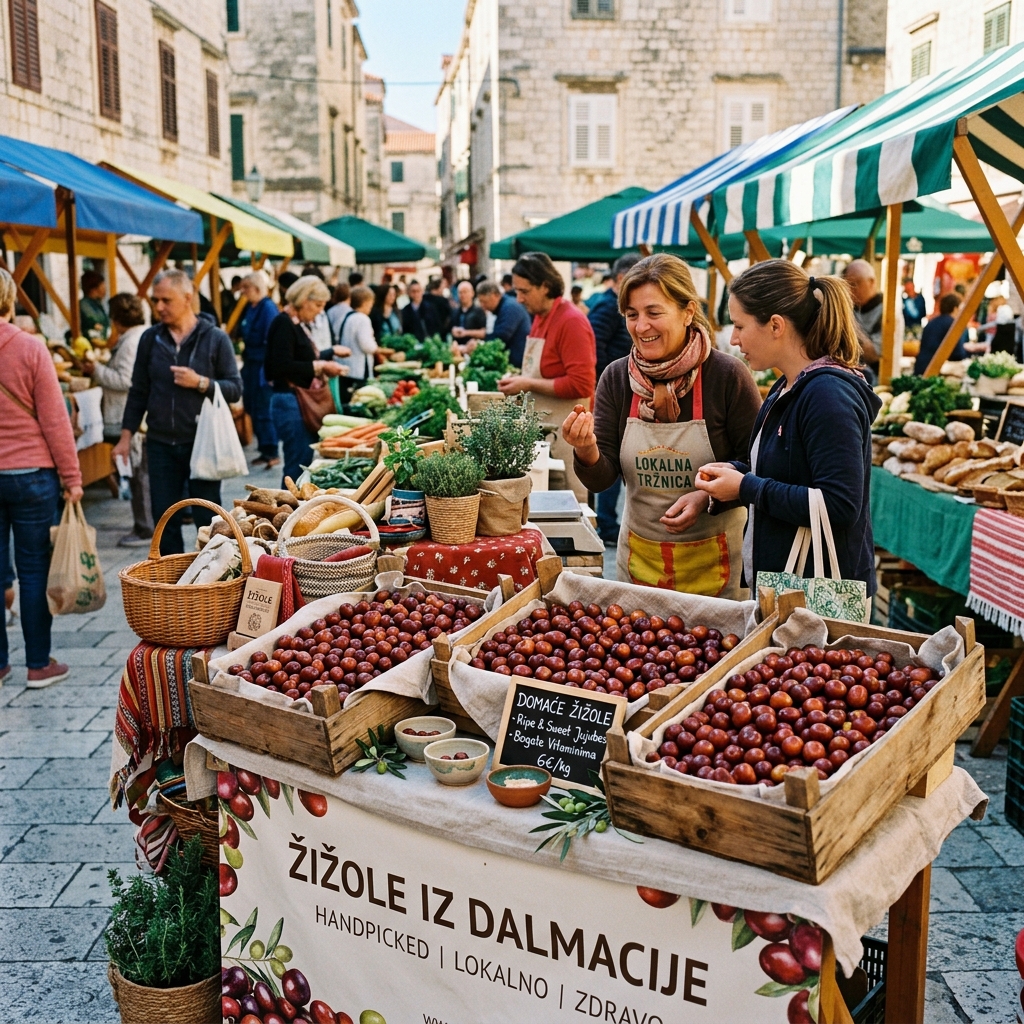
The Complete Guide to Žižole: Benefits, History, and Uses
Quick answer: Žižole (jujube fruit) is an ancient, nutrient-dense crop from the Ziziphus jujuba tree. Known for its low glycemic index (27) and high vitamin C content (69 mg per 100g), the žižole fruit supports immune health, digestion, and sleep. Its global market is expanding rapidly as consumers seek sustainable, functional superfoods.
You might not immediately recognize the small, reddish-brown fruit resting in the palm of your hand, but it holds over 4,000 years of medicinal and culinary history. Often overshadowed by modern superfruits like acai or goji berries, the žižole fruit is finally receiving the global recognition it deserves. Packed with essential antioxidants and celebrated across cultures for its distinct apple-honey flavor, this resilient crop offers incredible value for both home gardeners and health-conscious eaters.
What are žižole fruits and why are they gaining popularity?
Žižole is the traditional Mediterranean and Balkan name for the jujube fruit, scientifically known as Ziziphus jujuba. Depending on where you travel, you might also hear the žižole fruit referred to as the Chinese date, “ber,” or “da zao.”
The žižole fruit is experiencing a modern resurgence for a few clear reasons. Consumers are actively seeking functional foods that provide verifiable health benefits without spiking blood sugar. Additionally, agricultural experts value the Ziziphus jujuba tree for its profound climate resilience. It thrives in poor soil and requires minimal water, making it a highly sustainable crop as global temperatures shift.
What is the historical and cultural significance of žižole?
The cultivation of the žižole fruit began over 4,000 years ago in China, where traditional healers documented its ability to soothe digestion and improve sleep. As the Silk Road expanded, merchants carried the seeds into Persia and the Middle East, where the fruit was highly prized for its long shelf life during grueling journeys.

Eventually, the Ziziphus jujuba tree reached the Mediterranean basin. The Roman Empire planted these trees extensively across Southern Europe. In countries like Croatia and Italy, planting a žižole tree in a family courtyard became a symbol of lasting prosperity and robust health.
According to traditional Chinese culture, the žižole fruit also symbolizes fertility and good fortune, frequently appearing in wedding ceremonies and bridal chambers. Meanwhile, in the Dalmatian region of Croatia, the autumn žižole harvest remains a cherished community ritual, often accompanied by the production of local brandies and jams.
What are the primary nutritional benefits and health properties of žižole?
The scientific community is increasingly validating the traditional uses of the žižole fruit. The fruit carries a dense nutritional profile that directly supports human health.
Does žižole improve immune system function?
Yes. The žižole fruit contains 69 milligrams of vitamin C per 100 grams, which satisfies 115% of the recommended daily intake for most adults. This high concentration of water-soluble antioxidants helps combat free radicals and supports connective tissue repair.
Can eating žižole help regulate blood sugar?
Despite its natural sweetness, the fresh žižole fruit has a very low glycemic index of 27. The natural dietary fiber found in the fruit slows down glucose absorption. Choose fresh žižole if you want a sweet snack that maintains stable blood sugar levels without the sudden spikes associated with processed candies.
How does žižole impact sleep and anxiety?
Extracts from the žižole seed and fruit contain specific saponins and flavonoids. Scientific studies suggest that these compounds influence neurotransmitters associated with relaxation. Drinking a warm tea brewed from dried žižole fruit remains a reliable, traditional method for winding down before bed.
How can you incorporate žižole into your daily diet?
The culinary versatility of the žižole fruit allows it to fit seamlessly into modern diets. You can consume the fruit fresh, dried, or cooked into syrups.
- Fresh snacking: Ripe žižole fruits have the crisp texture of a small apple with a mild honey flavor. Rinse them and eat them whole as a low-calorie afternoon snack.
- Brewing traditional tea: Simmer eight to ten dried žižole fruits in two cups of water for twenty minutes. Add a slice of fresh ginger for a soothing, immune-supporting evening beverage.
- Baking and cooking: You can chop dried žižole and mix them into muffins, bread, or oatmeal just as you would use raisins or standard dates.
- Making syrups and jams: Slowly boil ripe žižole fruits with a small amount of sugar and lemon juice to create a thick spread for morning toast or a natural syrup to soothe winter sore throats.
Choose fresh žižole if you want lower calories and maximum vitamin C, or select dried žižole if you need a calorie-dense energy source with an extended shelf life.
How do you grow and harvest žižole trees at home?
The Ziziphus jujuba tree is exceptionally forgiving, making it an excellent choice for beginner gardeners and seasoned horticulturists alike.
What climate conditions does a žižole tree need?
The žižole tree thrives in warm, dry environments, specifically USDA hardiness zones 6 through 9. It requires full sun exposure, needing at least six hours of direct sunlight each day to produce a healthy fruit yield.
How should you plant and water the tree?
Plant the tree in well-drained sandy or loamy soil. While you must water young trees regularly to establish their root systems, mature žižole trees are highly drought-tolerant and require very little supplemental irrigation.
When is the best time to harvest the fruit?
In Mediterranean climates, the harvest window typically opens in late September and extends through October. Pick the fruits when their skin transitions from pale green to a deep reddish-brown color, which indicates peak sugar content and optimal flavor.
What are the economic impact and market trends for žižole?
The commercial landscape for the žižole fruit is experiencing unprecedented growth. According to Data Insights Market [2024], the global jujube market is projected to reach $12.65 billion by 2025. Furthermore, industry reports anticipate the market will grow at a compound annual growth rate (CAGR) between 7.45% and 9.96% leading up to 2033.
This economic surge is driven by two main factors. First, the food and beverage industry is rapidly integrating functional ingredients into consumer packaged goods, utilizing žižole extracts in natural energy drinks and sleep aids. Second, commercial farmers view the Ziziphus jujuba tree as a profitable, sustainable crop capable of withstanding the erratic weather patterns associated with climate change.
The future of žižole in cuisine and wellness
The žižole fruit represents the perfect intersection of ancient agricultural wisdom and modern nutritional science. As consumers continue to demand sustainable, functional, and historically proven foods, this resilient crop will undoubtedly claim a permanent spot on grocery shelves and in home gardens worldwide.
Start small by ordering a bag of dried žižole online, or visit a local Mediterranean specialty market this autumn to taste the fresh fruit for yourself. Incorporating this ancient superfood into your routine is a simple, delicious step toward better health.
Frequently Asked Questions (FAQ) About Žižole
How many calories are in a serving of žižole?
A 100-gram serving of fresh žižole fruit contains approximately 79 calories. This makes it a low-calorie, nutrient-dense snack suitable for daily consumption.
Are jujubes and žižole the exact same fruit?
Yes. “Žižole” is simply the traditional Mediterranean and Balkan term for the jujube fruit (Ziziphus jujuba). They are identical in taste, nutrition, and botanical classification.
Does drying the fruit remove its nutritional value?
Drying the žižole fruit concentrates its natural sugars and calories, making it sweeter and chewier. While the drying process does reduce some of the vitamin C content, the fruit retains its beneficial antioxidants, dietary fiber, and minerals like potassium.
Can the žižole fruit grow in small urban spaces?
Yes. Gardeners can successfully grow dwarf varieties of the Ziziphus jujuba tree in large containers, making it accessible for people with limited patio or balcony space.